
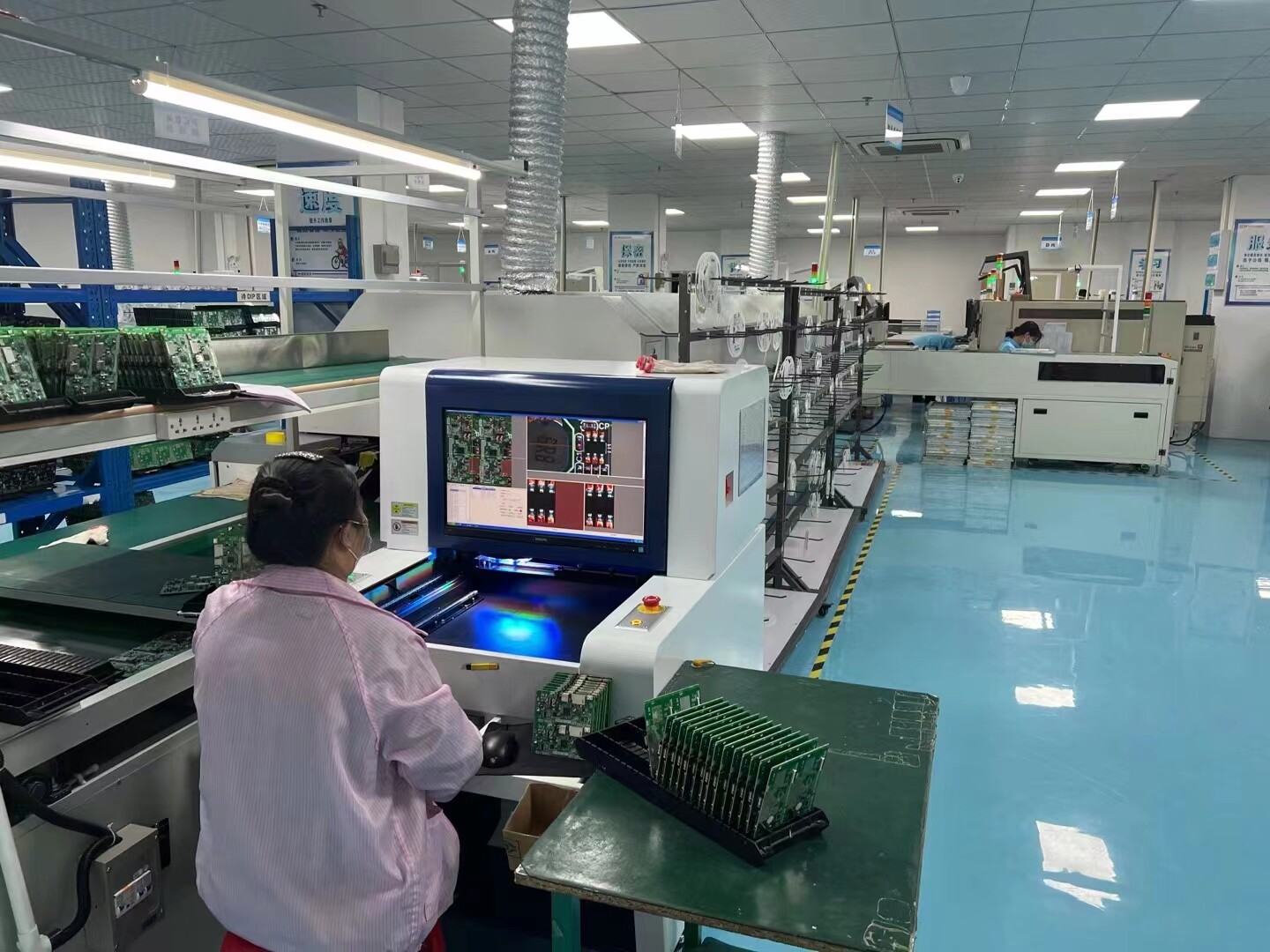
For hardware products, the SMT assembly stage is where issues most frequently surface during the journey from prototype validation to mass production. Solutions that work on paper often fail on the production line; minor problems encountered during prototyping can multiply exponentially at scale. With years of operating an SMT factory in Bao'an, Shenzhen and serving hundreds of hardware companies, we've found that the pitfalls tend to cluster in specific areas.
DFM Stage: Design for Manufacturability Review Is Mandatory
Many hardware companies skip DFM (Design for Manufacturing) review and proceed directly to prototyping upon receiving PCB design files. Issues such as insufficient component spacing, improper pad design, and missing fiducial markers may not surface during prototyping but can cause placement shifts, cold solder joints, or even total batch rejection during mass SMT assembly.
We intervene before prototyping. Our engineering team conducts a full manufacturability review of Gerber files and BOMs, providing design teams with production capabilities (e.g., minimum 0201 component placement) to eliminate issues at the source. This step typically takes 1 to 2 business days but saves significant costs from repeated rework later.
Component Procurement: Channel Control Determines Yield Ceiling
The BOM may look straightforward, but procurement is the second biggest pitfall in SMT assembly. With fragmented component channels, refurbished and loose parts often enter production lines, compromising solder joint reliability and significantly increasing failure rates after shipment.
We source directly from manufacturers and through authorized distributors, covering major brands like TI, ST, and NXP. Every shipment includes a clear batch number and full traceability records. For industries with high reliability requirements such as industrial control and medical devices, component traceability isn't just an advantage—it's a mandatory entry requirement.
Process gap between prototyping and mass production
Many hardware companies use one factory for prototyping and switch to a cheaper one for mass production. This transition often incurs hidden costs: differences in equipment precision, stencil thickness, and reflow profiles mean process parameters must be re-optimized, and first-article inspections may require multiple rounds of validation.
Our one-stop service uses the same SMT production line, process parameters, and engineering team for prototyping as for mass production. The stencil aperture design, placement accuracy compensation values, and reflow temperature profiles established during prototyping are directly applied to mass production without requiring any machine re-tuning. This continuity of process parameters ensures that prototype results are fully reproducible.
Inspection Stage: AOI 100% inspection is mandatory.
In small-to-medium batch orders, some companies request skipping the AOI (Automated Optical Inspection) step to cut costs. Defects like cold solder joints, missing components, and component misalignment are difficult to reliably catch with manual inspection alone. If these defects reach downstream processes, rework costs far exceed inspection expenses.
AOI optical inspection is standard on our SMT line. Every board undergoes 100% inspection after component placement and reflow soldering, not sampling. The DIP assembly process also includes dedicated inspection procedures. All inspection data is recorded in the test report and delivered with the product. For customers requiring traceability, these records can be used directly for quality management system audits.
The essence of one-stop service is to reduce interfaces.
For hardware companies that outsource PCB fabrication, SMT assembly, DIP insertion, component procurement, and testing to different suppliers, any issue requires manual coordination. A one-day delay in PCB delivery pushes back the SMT production schedule; incorrect component batches force the DIP line to halt and wait for materials.
We run the entire PCBA manufacturing process within a single integrated system. Engineering changes are synchronized internally, eliminating the need for customers to relay messages across multiple suppliers. When issues arise, accountability is clear—no back-and-forth coordination between factories. For R&D teams, this means they can focus on product development instead of acting as supply chain coordinators.
From prototype to mass production, the core challenge for hardware companies isn't technical complexity—it's finding a manufacturing partner capable of reliably delivering every step. Our Shenzhen Xixiang facility processes diverse PCBA orders daily, from consumer electronics to industrial control systems. Our experience helps you take the straightest path forward. In hardware innovation, speed-to-market is everything: hand off manufacturing to experts and get your product from blueprint to production faster. Companies needing SMT services can request a quote by submitting files at chenweipcba.com or call 159-8681-9290 for custom solutions.